Physical Address
304 North Cardinal St.
Dorchester Center, MA 02124
Physical Address
304 North Cardinal St.
Dorchester Center, MA 02124

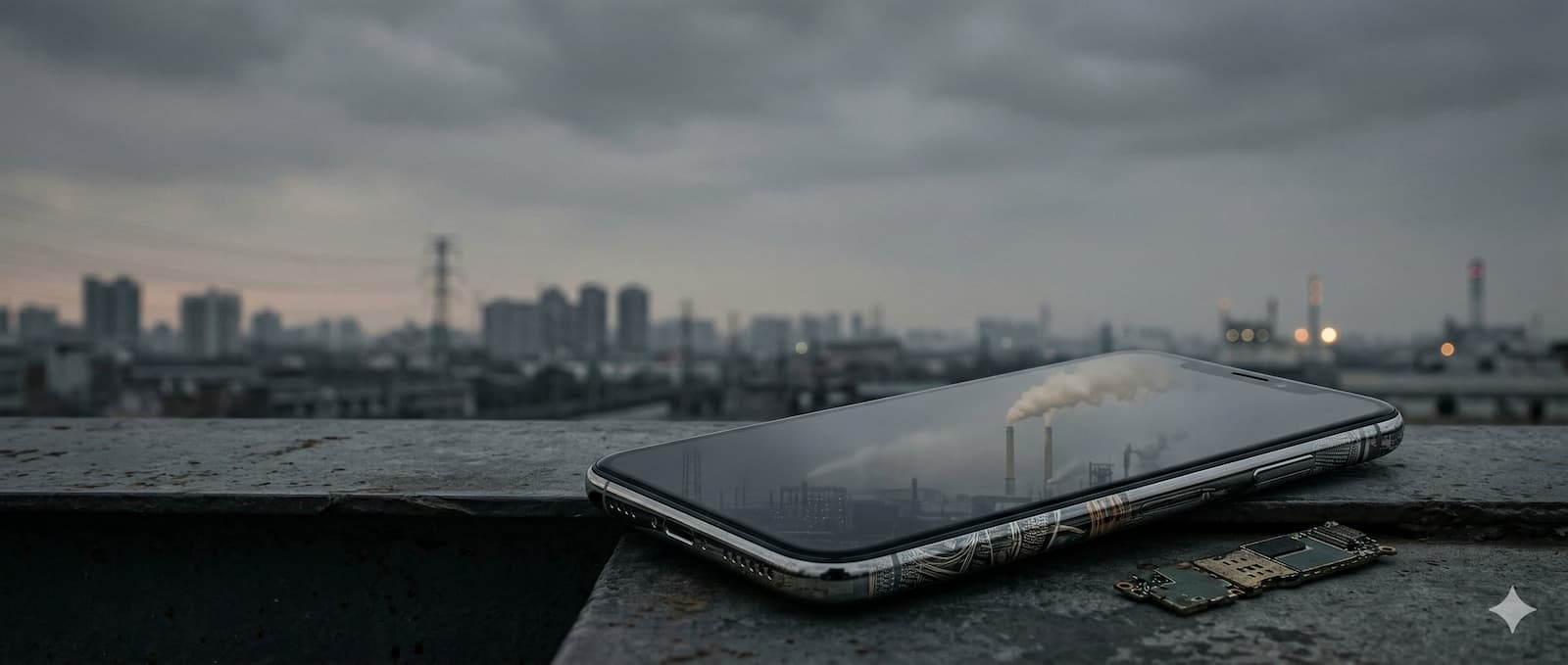
Smartphones are part of daily life. We use them to communicate, work, study, navigate, shop, and stay entertained. They feel small, light, and harmless in our hands, but their environmental impact is much bigger than most people realize.
From mining raw materials to manufacturing parts, shipping devices across the world, charging them every day, and eventually replacing them, smartphones create environmental pressure at every stage of their lifecycle. The real problem is not only how many phones are produced, but also how quickly they are replaced.
For many people, upgrading every two or three years has become normal. But this habit comes with a cost. The good news is that there are better options. Repairing, reusing, trading in, reselling, and recycling smartphones can all help reduce waste and lower the overall environmental burden.
The Fix Mission is currently run by me personally. With 5 years of experience in phone repair, buying, and selling, I offer free advice before you buy a used phone, sell your current device, or pay for a repair. My goal is simple: help you make a safer decision before spending money.
Get Free Advice →A smartphone may weigh less than 200 grams, but producing one requires much more than a small amount of material. Modern smartphones contain dozens of elements, including lithium, cobalt, gold, copper, and rare earth materials. Extracting these resources requires large-scale mining, energy-intensive processing, and complex global supply chains.
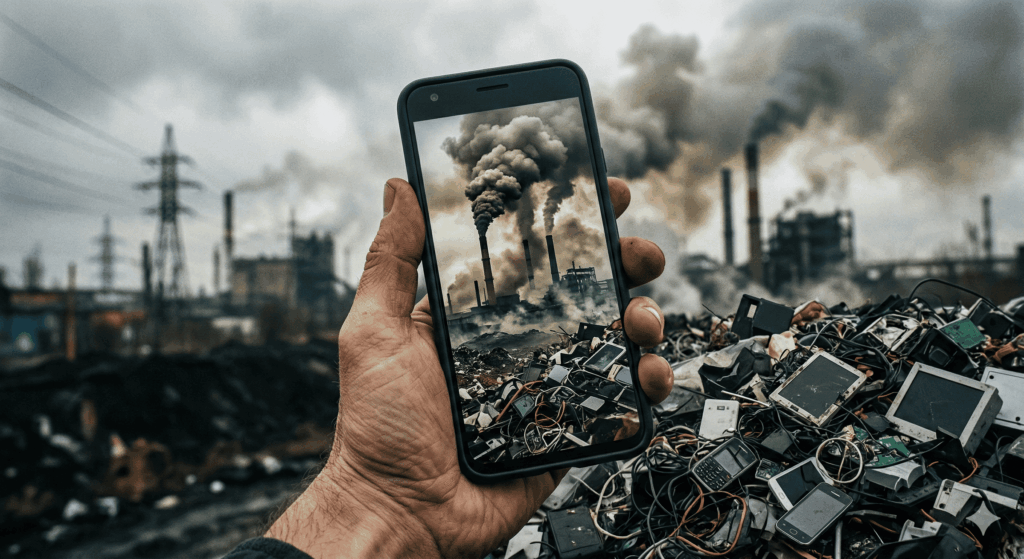
Most of a smartphone’s environmental impact happens before the device is even used. Mining, refining, manufacturing chips and screens, assembling the device, and transporting it around the world all generate significant emissions. That means the biggest environmental cost of a phone is usually created long before it reaches the user.
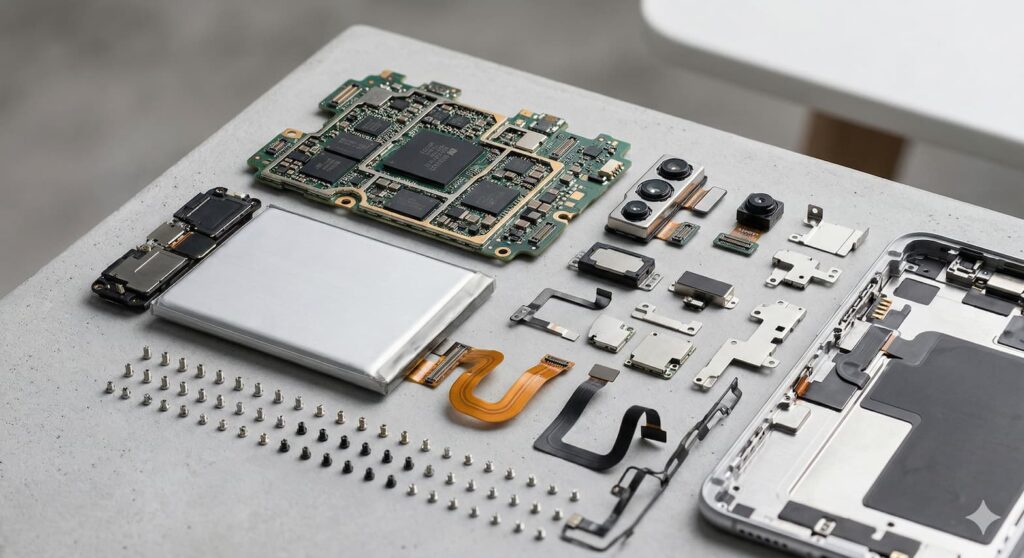
Many phones are replaced earlier than necessary. A weaker battery, cracked screen, charging issue, storage problem, or slightly outdated design often pushes users toward buying a new device. In reality, many of these issues can be fixed.
Replacing phones too often creates two major problems. First, it increases demand for new manufacturing, which means more mining, more emissions, and more resource consumption. Second, it increases electronic waste, because older devices are often forgotten in drawers or thrown away even when they still have value.
Keeping a phone for longer is one of the easiest ways to reduce its yearly environmental impact.
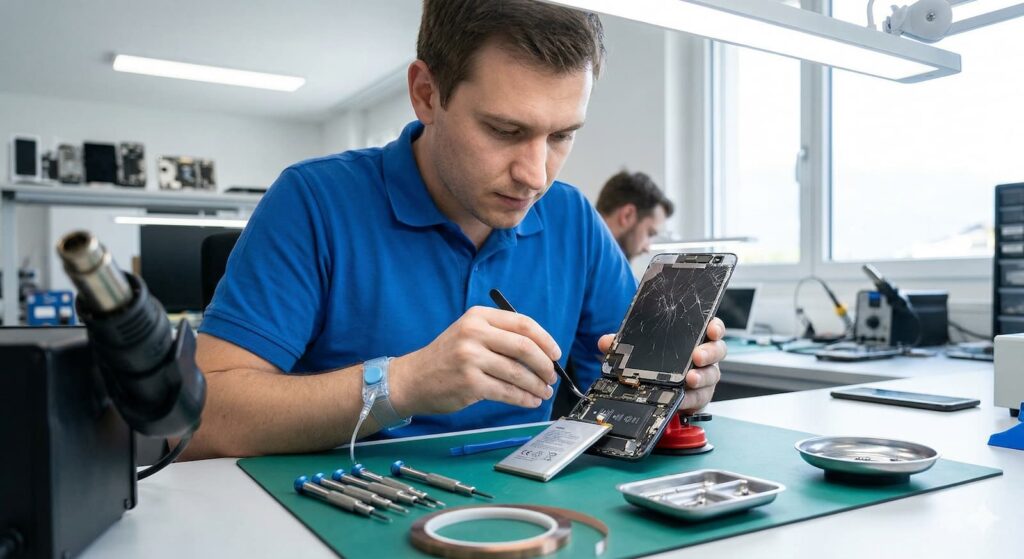
Repair is one of the most effective ways to make smartphone use more sustainable. When a phone is repaired instead of replaced, its lifespan increases and the need for a new device is delayed. This reduces waste and makes better use of materials that have already been extracted and processed.
A repaired phone can often stay useful for years, especially when the issue is limited to the screen, battery, charging port, camera, or speaker. Repair is also usually more affordable than buying a brand-new device.
Repair helps in three key ways. It reduces e-waste, saves valuable resources, and lowers the user’s personal carbon footprint by spreading the environmental cost of the device over a longer period.
Not every phone needs to stay with its first owner forever. If a device is still working well, it can continue to be useful in other ways. Passing a phone on to a family member, selling it second-hand, or donating it can all extend its life and reduce unnecessary waste.
This is important because a smartphone does not lose all of its value the moment its owner upgrades. Many devices still work perfectly well for messaging, browsing, calls, videos, maps, and daily tasks. Reuse is one of the strongest alternatives to the upgrade culture.
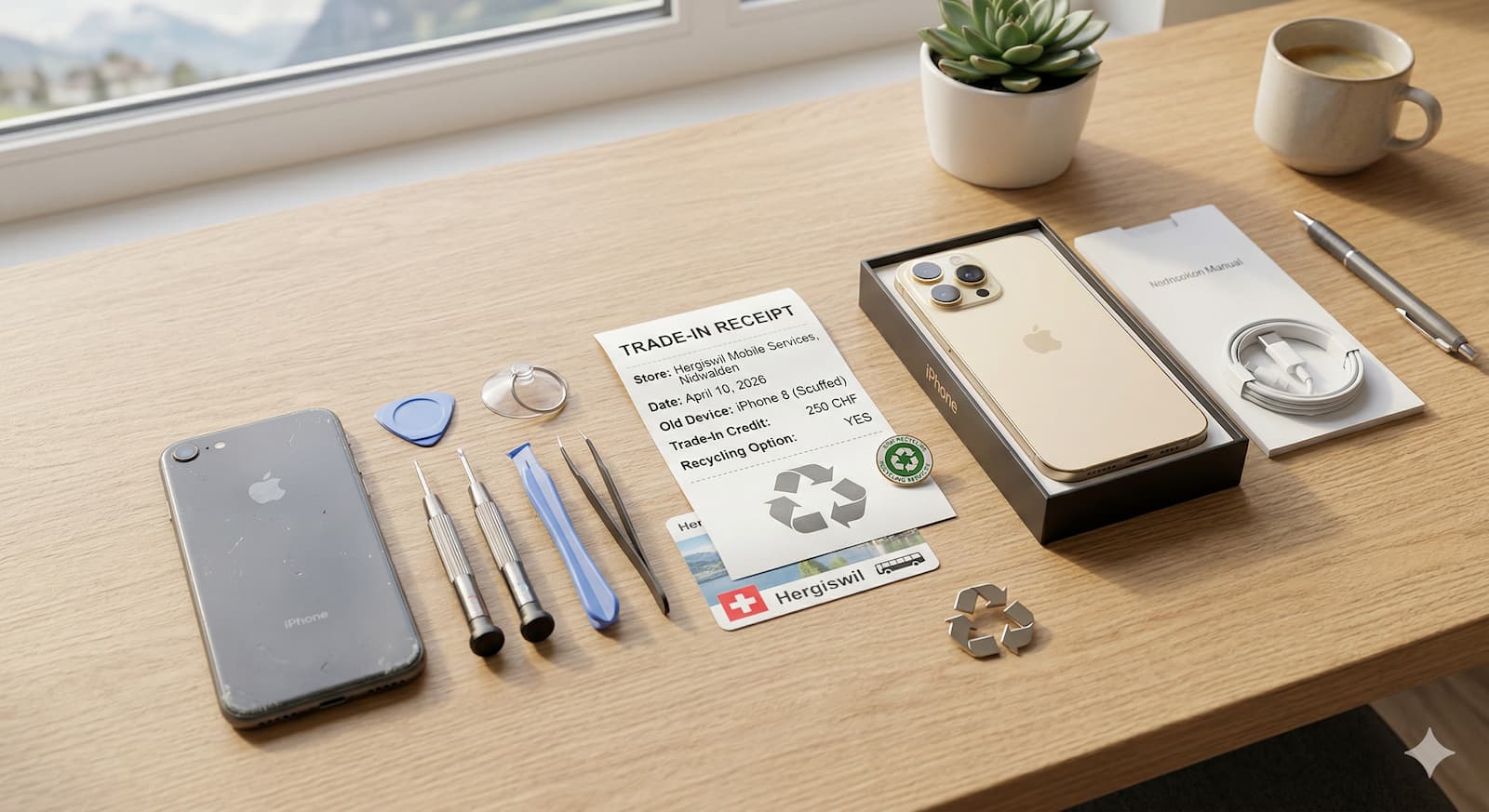
Trade-in is another useful option people should consider before leaving an old device unused in a drawer. Many phone brands, retailers, and service providers now offer trade-in programs where users can return their old phone in exchange for credit, discount, or cash value toward another device.
This can be better than letting a device sit forgotten at home. A proper trade-in program can help keep phones in circulation for longer. In some cases, traded-in devices are refurbished and resold. In others, usable parts are recovered and reused. If the device is beyond repair, materials may be recycled more responsibly than if the phone were simply thrown away.
Trade-in is not always the perfect solution, but it is often much better than waste. It gives consumers another practical option between keeping a phone forever and throwing it away.

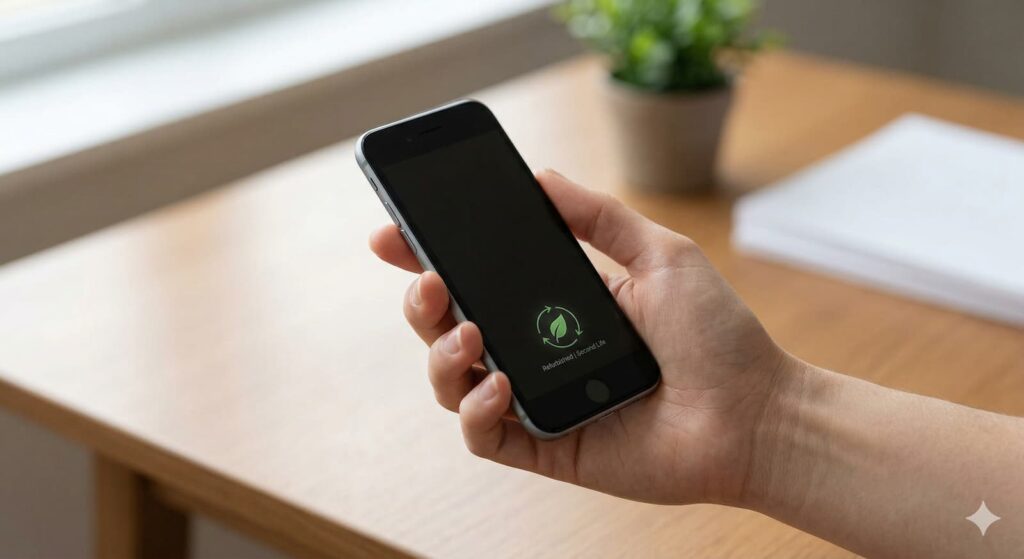
If someone genuinely needs another phone, buying refurbished is usually a more sustainable choice than buying new. Refurbished phones keep existing devices in use, reduce pressure on raw material extraction, and avoid a large share of the emissions linked to new production.
For many users, a refurbished phone offers a good balance between performance, affordability, and environmental responsibility. It also supports a more circular economy, where devices are repaired, reused, and kept in circulation for as long as possible.
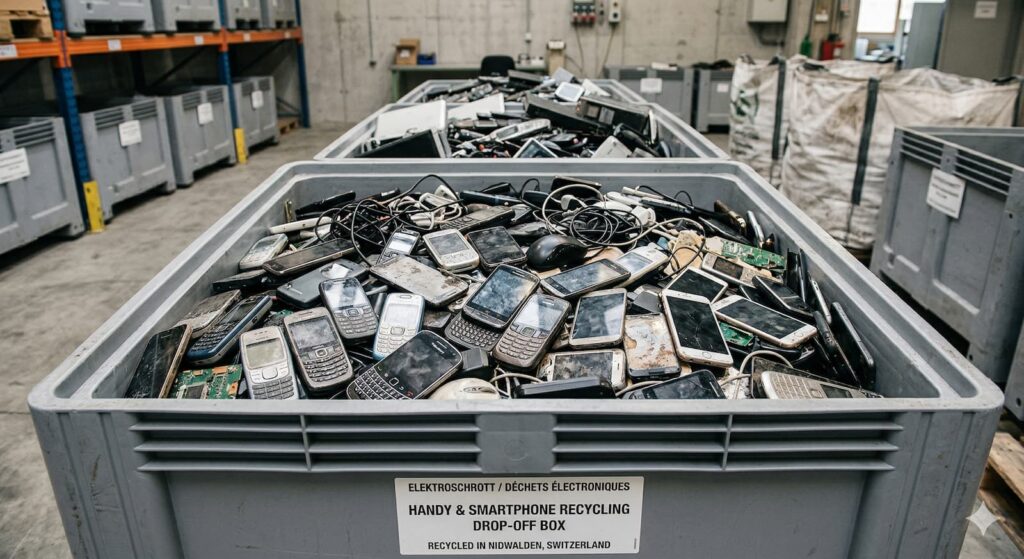
Electronic waste is one of the fastest-growing waste streams in the world, and smartphones are a major part of it. When old devices are not managed properly, valuable materials are lost and harmful substances may create environmental risks.
Batteries and internal components require careful disposal. Phones should never simply be thrown into household waste. At the same time, recycling should not be treated as the first or only solution. Before recycling, it is worth asking whether the phone can still be repaired, resold, traded in, or passed on to someone else.
Recycling becomes most useful when a device is truly at the end of its life and no longer practical to reuse.
There are several practical ways to make smartphone use more sustainable.
The longer you use a device, the lower its environmental impact becomes per year of ownership.
Fixing a cracked screen, battery issue, or charging problem early can prevent the phone from becoming unusable later.
A good case and screen protector can prevent the kind of damage that often leads to early replacement.
If you are upgrading, use a trusted trade-in program instead of leaving your phone unused at home.
If the phone still works, let someone else use it instead of ending its lifecycle too early.
A refurbished device is often one of the most sustainable alternatives to buying new.
If the phone is truly beyond repair or reuse, recycle it through a trusted electronics recycling channel.
Consumers are not the only ones responsible for reducing smartphone waste. Manufacturers and the wider tech industry have a major role to play as well.
Phones should be designed to last longer, be easier to repair, and be simpler to disassemble. Companies should make batteries, screens, and essential parts easier to replace. They should also provide clearer information about a device’s environmental footprint, recycled content, repairability, and expected lifespan.
Trade-in programs should also be improved so they are more transparent and actually encourage reuse rather than fast replacement cycles. A good trade-in system should support refurbishment, part recovery, and responsible end-of-life handling.
Smartphones are essential tools in modern life, but they come with a real environmental cost. Most of that cost happens during production, which is why replacing devices too often creates unnecessary damage.
The best response is not just recycling. A smarter order is this: use longer, repair when possible, reuse when practical, trade in or sell when upgrading, and recycle only when the phone has truly reached the end of its life.
The most sustainable smartphone is often not the newest one. In many cases, it is the one you already own — or the one that can still be repaired, reused, or passed on.
Need help deciding whether to repair, trade in, or replace your phone?
Explore practical tips and repair-first advice on The Fix Mission before making your next upgrade decision.
Need help before buying, selling, or repairing a phone? Visit the Free Advice page and send me your question.
The Fix Mission is currently run by me personally. With 5 years of experience in phone repair, buying, and selling, I offer free advice before you buy a used phone, sell your current device, or pay for a repair. My goal is simple: help you make a safer decision before spending money.
Get Free Advice →




Very Helpful! Thank you!
Very insightful
Thank you for clarifying this problem