Physical Address
304 North Cardinal St.
Dorchester Center, MA 02124
Physical Address
304 North Cardinal St.
Dorchester Center, MA 02124

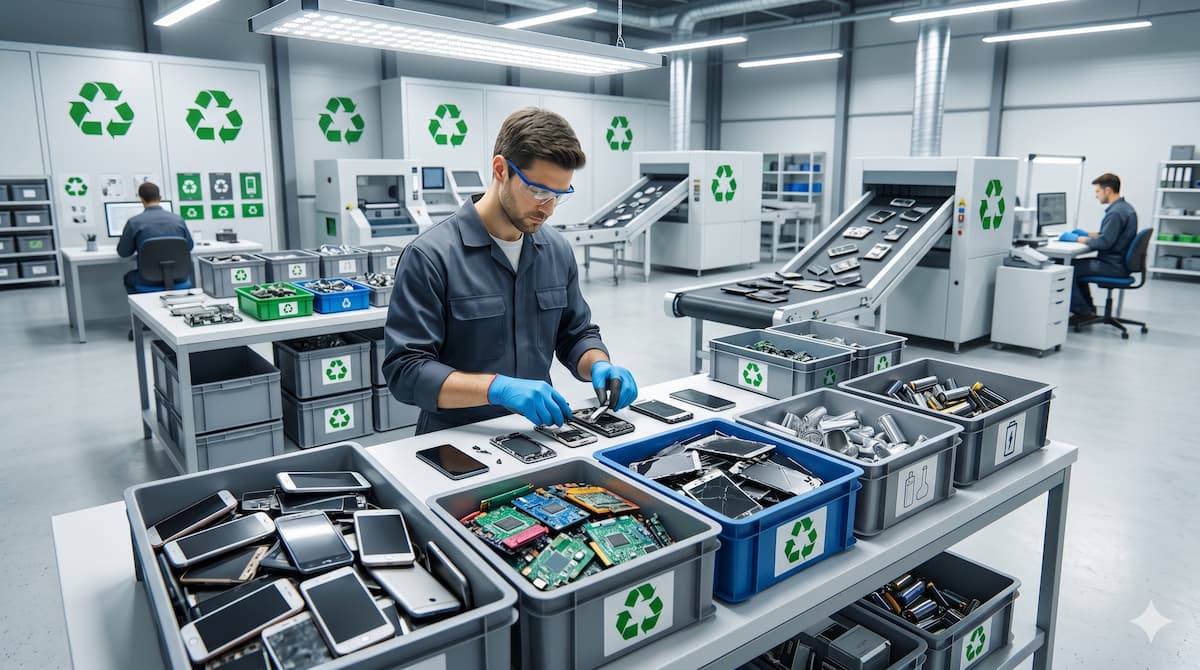
Every year, millions of old smartphones end up forgotten in drawers, thrown into trash bins, or buried under piles of unused electronics. Most people replace their phones without ever thinking about what happens next. But behind the scenes, phone recycling factories are doing something surprisingly important — turning electronic waste into reusable materials while protecting the environment from toxic damage.
A smartphone may look small, but inside it are valuable resources like gold, silver, copper, lithium, cobalt, plastic, and glass. Recovering these materials is not as simple as tossing a phone into a machine. The process is detailed, technical, and sometimes even dangerous.
What many people don’t realize is that phone recycling is not only about managing electronic waste — it is also deeply connected to climate change, pollution, mining, and the future of the planet.
Here’s what really happens after your old phone enters a recycling factory.
Smartphones are replaced faster than ever. New models launch every year, encouraging millions of people to upgrade even when their current devices still work.
As a result, electronic waste is growing at an alarming rate worldwide.
When phones are dumped into landfills:
At the same time, manufacturing new phones requires massive amounts of:
This creates a huge environmental footprint long before a phone even reaches a customer.
Phone recycling factories exist to reduce that damage.
The Fix Mission is currently run by me personally. With 5 years of experience in phone repair, buying, and selling, I offer free advice before you buy a used phone, sell your current device, or pay for a repair. My goal is simple: help you make a safer decision before spending money.
Get Free Advice →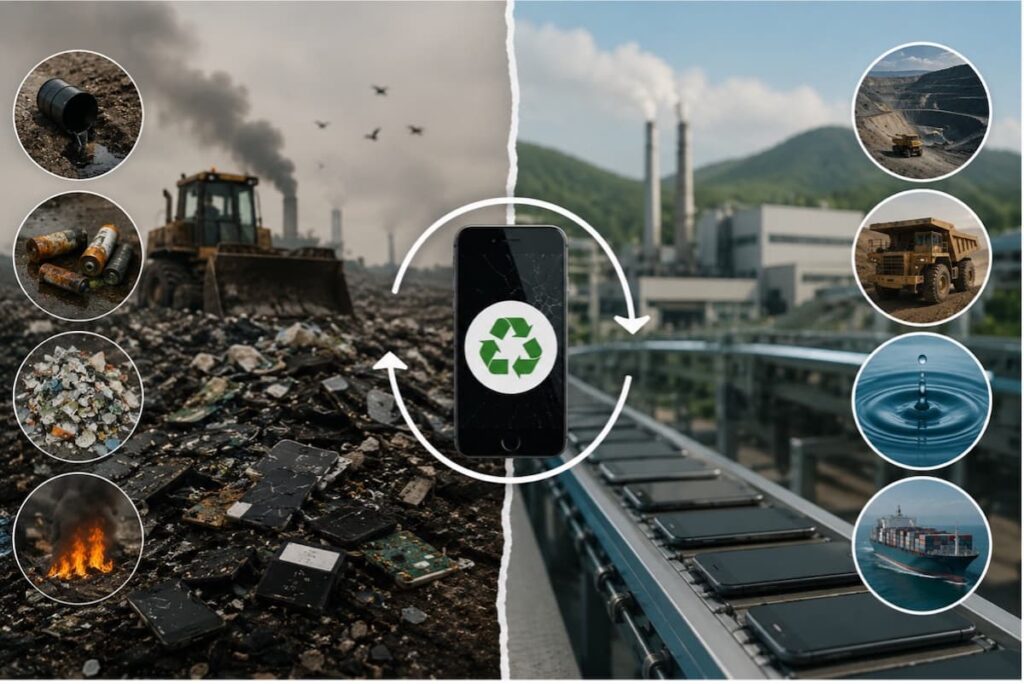
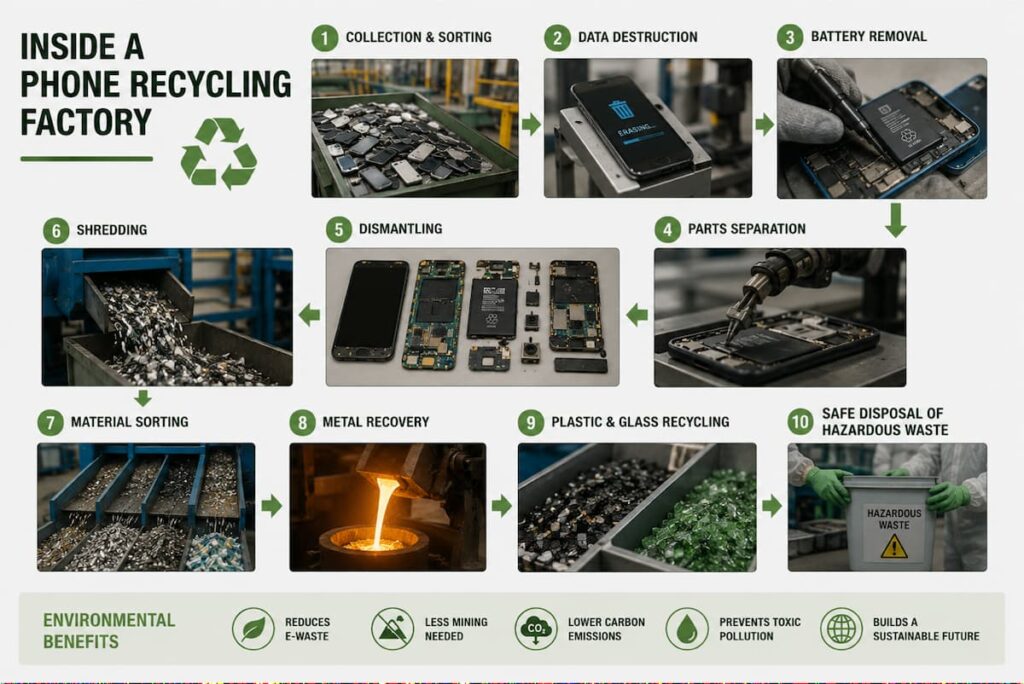
The recycling journey begins when huge shipments of old electronics arrive at the facility. These devices come from:
Workers carefully sort the devices into categories such as:
Phones that still work are often refurbished and resold instead of destroyed.
This step is environmentally important because reusing a phone extends its lifespan and reduces demand for manufacturing brand-new devices. Every reused phone means fewer raw materials need to be mined from the earth.
Read also: How AI and Smartphones Are Quietly Draining the Planet’s Energy
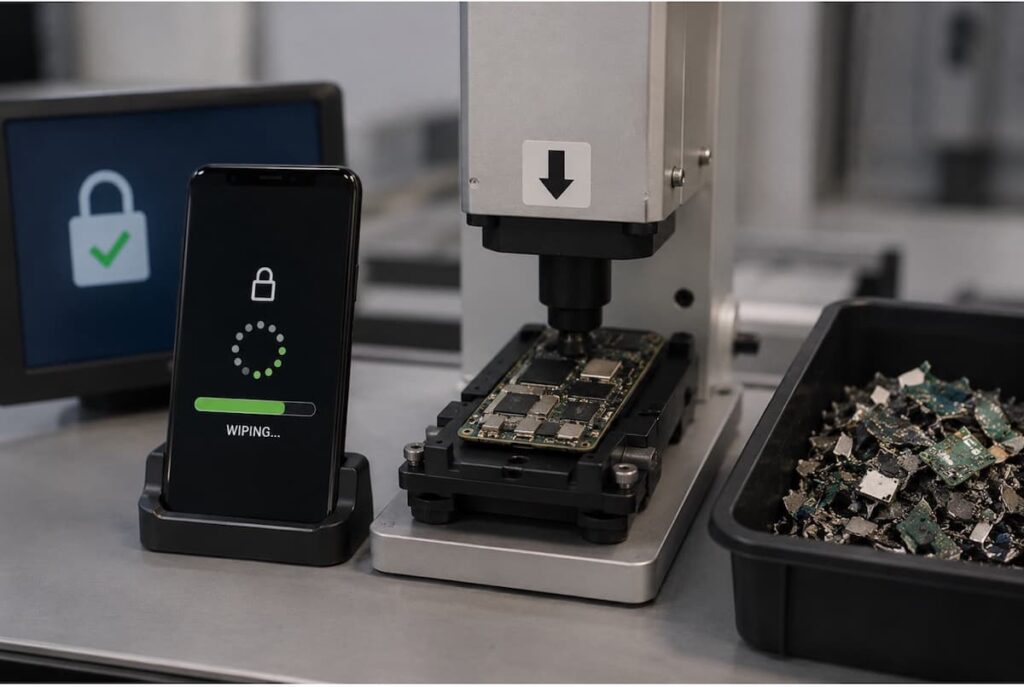
Before dismantling starts, factories focus on removing personal information from devices.
Even broken phones may still contain:
Professional recycling facilities use certified software to erase data permanently. If a device cannot power on, storage chips are physically destroyed.
This step protects privacy while also encouraging more people to recycle their electronics safely instead of hoarding old devices at home.
One of the most dangerous parts of phone recycling involves lithium-ion batteries.
If damaged, these batteries can:
Workers carefully remove batteries before further processing begins. Swollen or damaged batteries are stored inside fireproof containers to prevent accidents.
Batteries are then sent through specialized recycling systems where materials like:
are recovered and reused.
This is extremely important environmentally because mining lithium and cobalt often damages ecosystems, consumes enormous amounts of water, and contributes to pollution.
By recycling batteries, factories reduce the need for new mining operations.
The Fix Mission is currently run by me personally. With 5 years of experience in phone repair, buying, and selling, I offer free advice before you buy a used phone, sell your current device, or pay for a repair. My goal is simple: help you make a safer decision before spending money.
Get Free Advice →Once batteries are removed, phones move to dismantling stations.
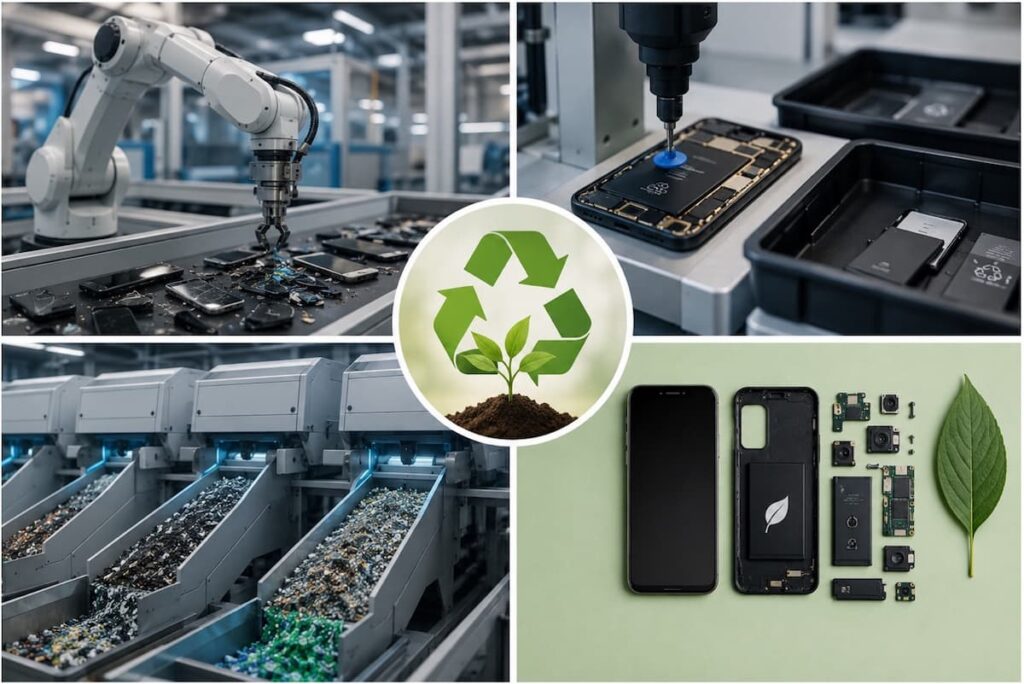
Some factories use skilled technicians, while advanced facilities use robotic systems to open devices automatically.
Phones are separated into:
This process helps factories recover reusable materials more efficiently.
Motherboards are especially valuable because they contain copper circuits and gold-coated connectors. Recovering these metals from old electronics reduces the environmental destruction caused by traditional mining.
Mining precious metals often leads to:
Recycling electronics helps reduce those impacts.
After reusable components are removed, the remaining phone materials enter industrial shredders.
These machines crush phones into tiny fragments made of:
Although this may look destructive, it allows factories to separate materials much more efficiently.
Instead of letting phones pile up in landfills, recycling facilities transform waste into reusable resources.
This helps reduce environmental pressure caused by growing electronic waste worldwide.
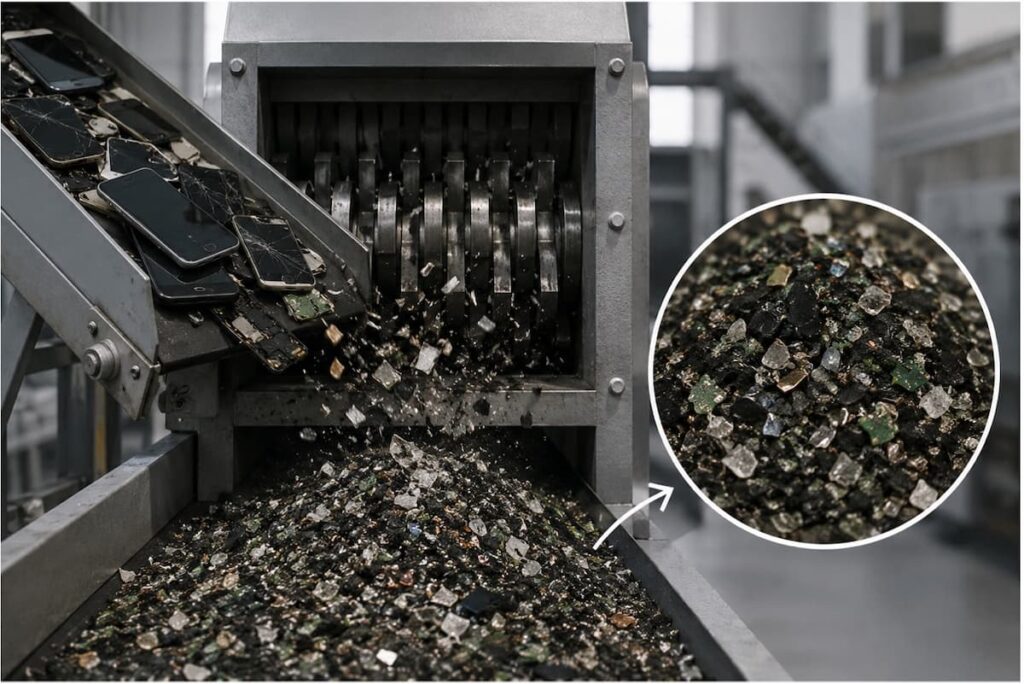
Modern recycling factories use advanced systems to separate different materials.
Large magnets remove steel and iron, while other technologies separate aluminum, copper, and plastics.
Factories may also use:
These technologies improve recycling efficiency and reduce the amount of waste sent to landfills.
Efficient sorting also lowers the need for extracting new raw materials from the environment.
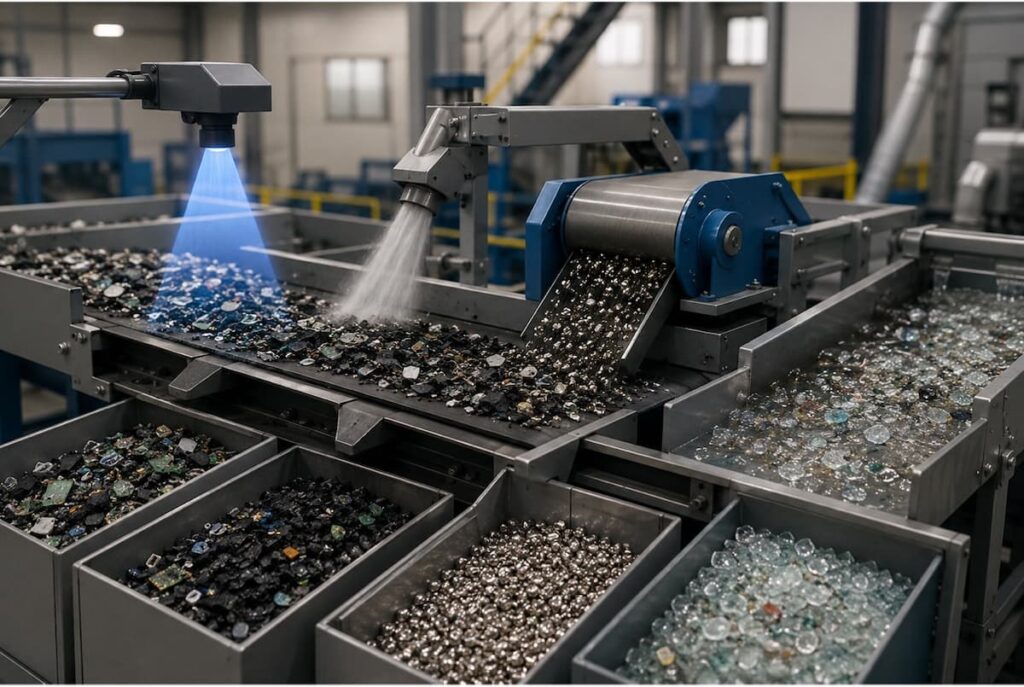
Many people don’t realize that smartphones contain real gold and other precious metals.
Factories recover materials such as:
through specialized chemical and heat-based processes.
This process is often called “urban mining” because valuable materials are recovered from discarded electronics instead of being mined from mountains and forests.
Urban mining has major environmental benefits:
In some cases, recycled electronics contain higher concentrations of precious metals than natural ore mined from the ground.
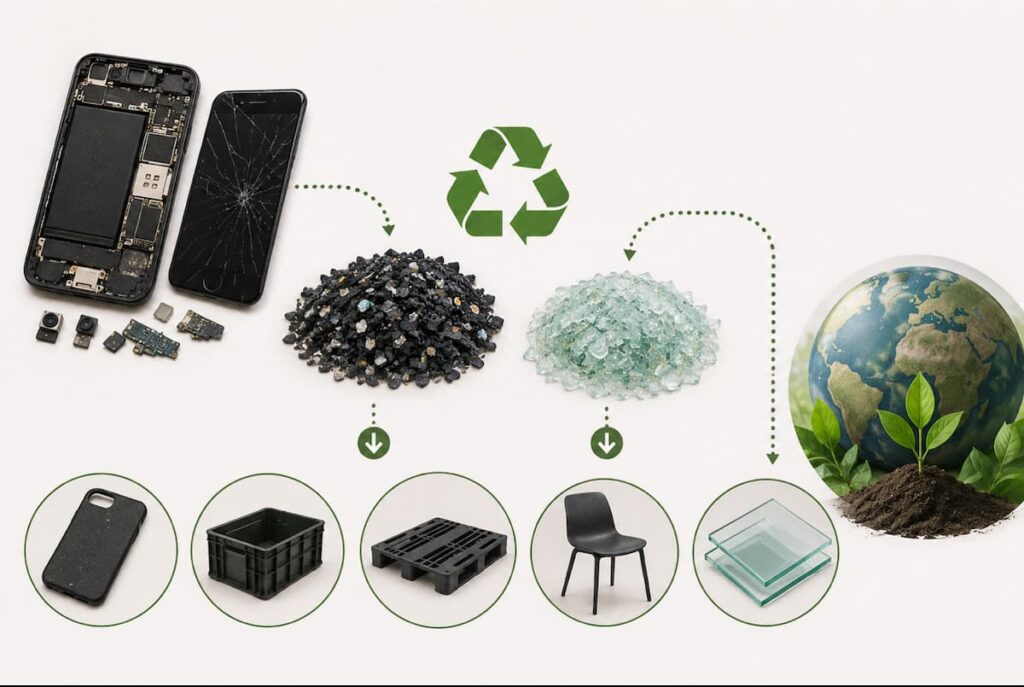
Not every phone component becomes waste.
Recycled plastics can later be used in:
Glass from phone screens may also be reused depending on contamination levels.
This supports a circular economy where materials stay in use for longer instead of becoming pollution.
Reducing plastic waste is especially important because plastic pollution harms oceans, wildlife, and ecosystems around the world.
Phones contain hazardous substances that can seriously damage the environment if dumped carelessly.
These include:
Certified recycling centers isolate these toxic materials and send them to specialized treatment facilities.
Without proper recycling, these substances can leak into:
This pollution can eventually affect both wildlife and human health.
The Fix Mission is currently run by me personally. With 5 years of experience in phone repair, buying, and selling, I offer free advice before you buy a used phone, sell your current device, or pay for a repair. My goal is simple: help you make a safer decision before spending money.
Get Free Advice →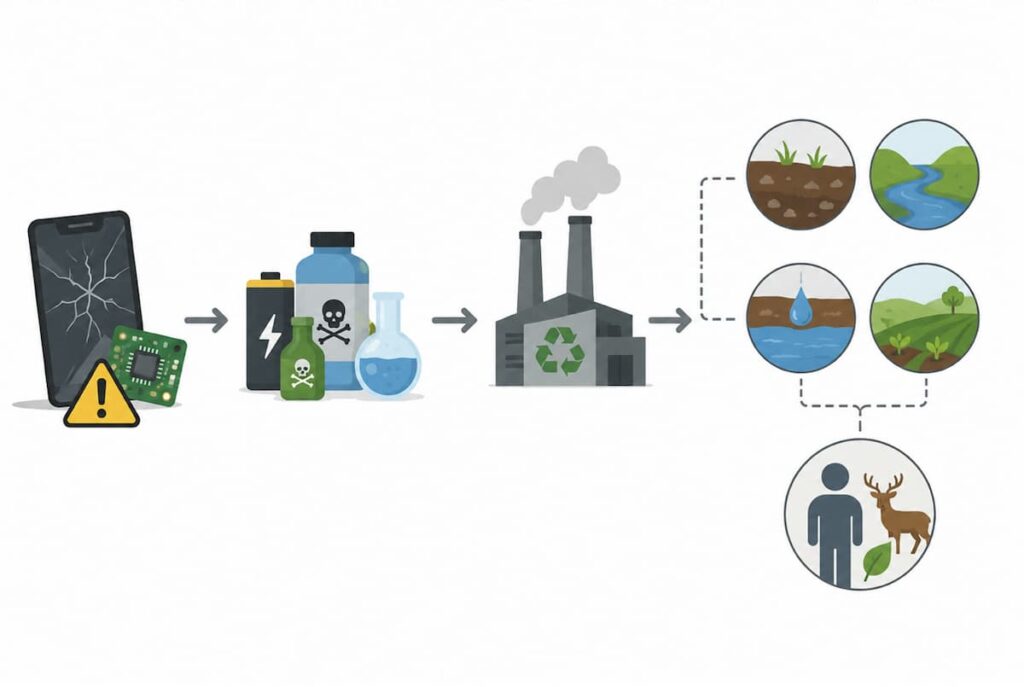
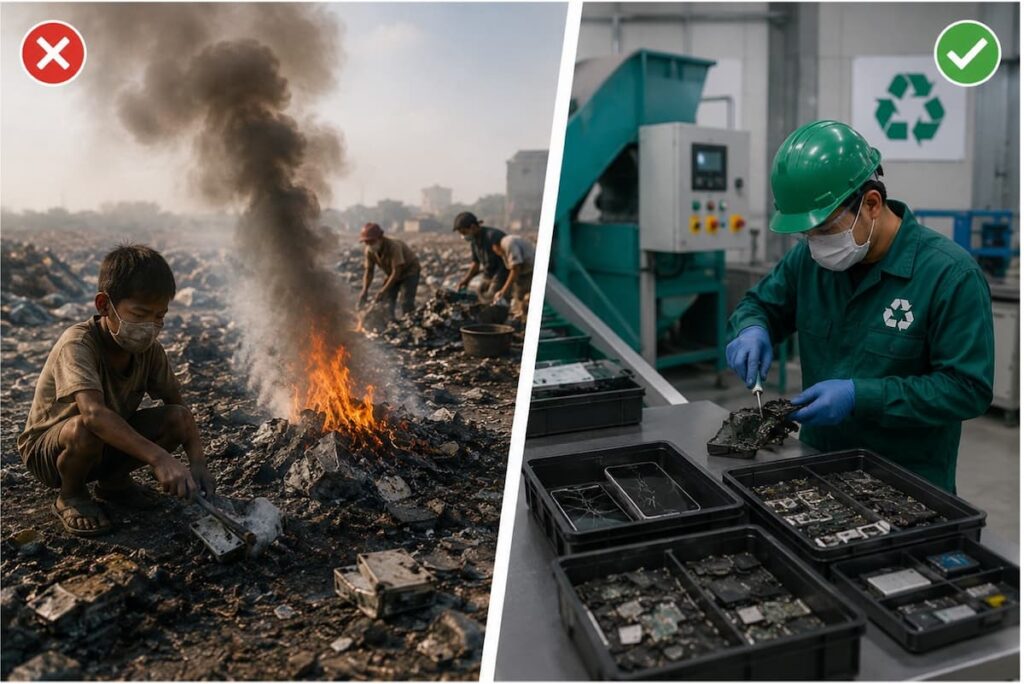
Not all recycling facilities operate responsibly.
In some regions, informal recycling operations burn electronics in open air to recover metals quickly. This releases toxic smoke filled with dangerous chemicals.
Workers — including children in some cases — may inhale harmful fumes without protective equipment.
Unsafe recycling contributes to:
This is why certified recycling centers matter. Responsible facilities follow environmental and safety standards designed to protect both workers and the planet.
Phone recycling technology is improving rapidly.
Modern facilities are beginning to use:
At the same time, some smartphone manufacturers are designing devices that are easier to repair and recycle.
The future may include fully circular smartphones where most materials can be reused repeatedly instead of discarded.
If recycling systems continue improving, electronic waste could become a valuable resource instead of a growing environmental threat.
An old smartphone may seem useless once it stops working, but inside that small device are valuable materials that required enormous environmental effort to obtain.
Phone recycling factories help recover those resources while reducing pollution, mining, landfill waste, and environmental damage.
Every properly recycled phone helps:
The next time you upgrade your phone, remember that throwing it into the trash can harm the environment long after the device is gone.
Recycling gives that phone another purpose and helps create a cleaner, more sustainable future.
Need help before buying, selling, or repairing a phone? Visit the Free Advice page and send me your question.
Phone recycling reduces electronic waste, lowers pollution, and decreases the need for environmentally damaging mining operations.
Yes. Phones contain toxic chemicals and batteries that can leak harmful substances into soil and water if thrown away improperly.
Yes. Recycling facilities recover metals like gold, silver, copper, lithium, and cobalt from old smartphones.
Recovered materials from old electronics can be reused in manufacturing, reducing the need to extract new raw materials from the earth.
Damaged batteries can leak chemicals and cause fires, making proper recycling extremely important.
Urban mining is the process of recovering valuable metals and materials from discarded electronics instead of mining them from natural environments.